

What is a Bone Handle Knife? And Why It’s The Top Choice For Hunters in 2026
A bone handle knife is more than a cutting tool; it carries a classic outdoor look, a natural grip, and the kind of character many hunters and collectors still prefer in 2026. Made from materials like cow, buffalo, or camel bone, these handles are shaped, polished, and often stabilized to create a strong and comfortable grip. Whether paired with Damascus steel, stainless steel, or a full tang hunting blade, a bone handle knife offers a balance of durability, control, and traditional craftsmanship. In this guide, we’ll explain what bone handle knives are, why they remain popular for hunting and outdoor use, how they compare with wood handles, and what to look for before buying one.
What Is a Bone Handle Knife?
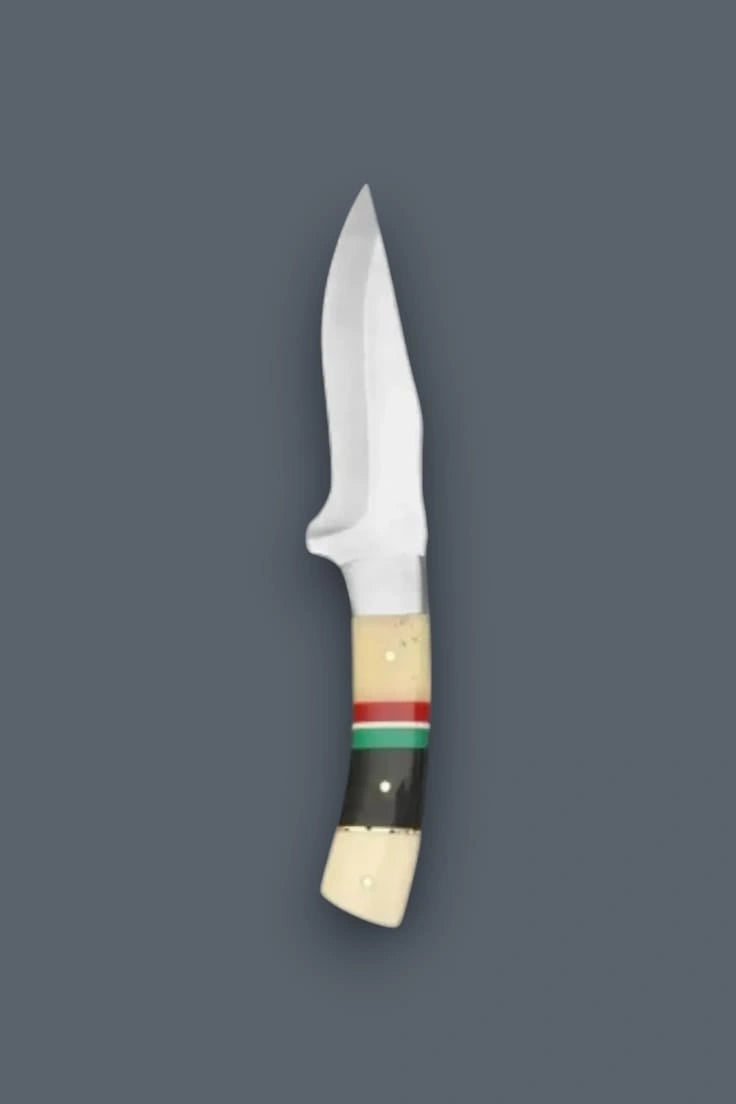
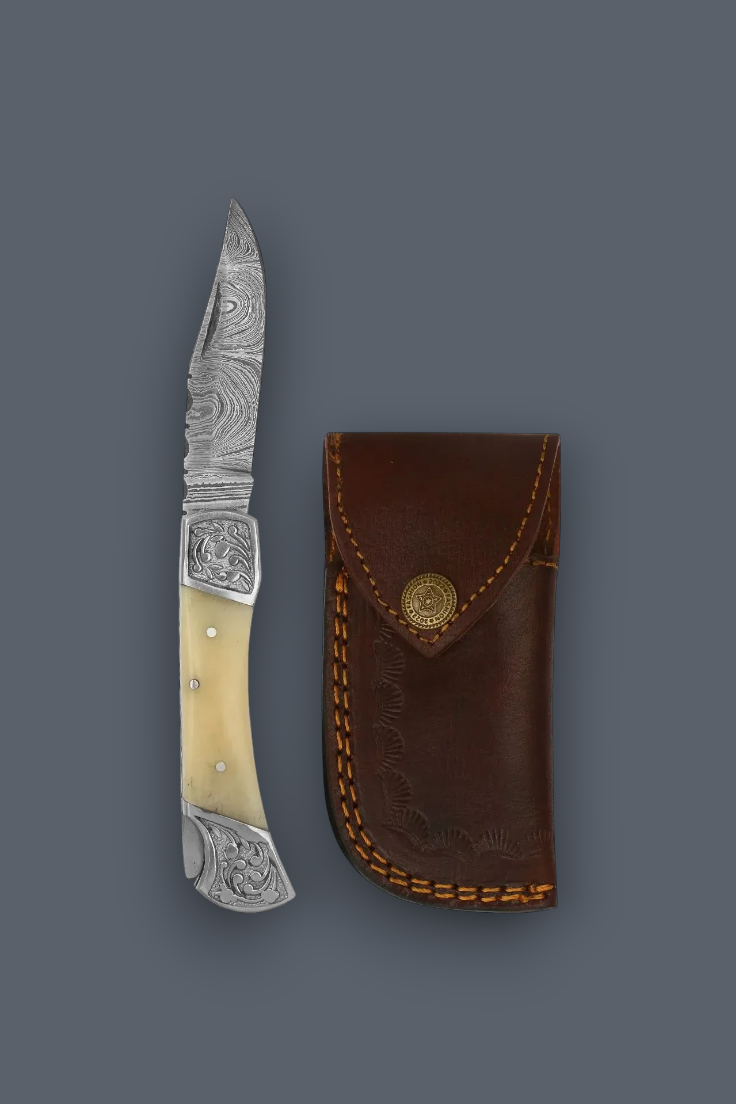
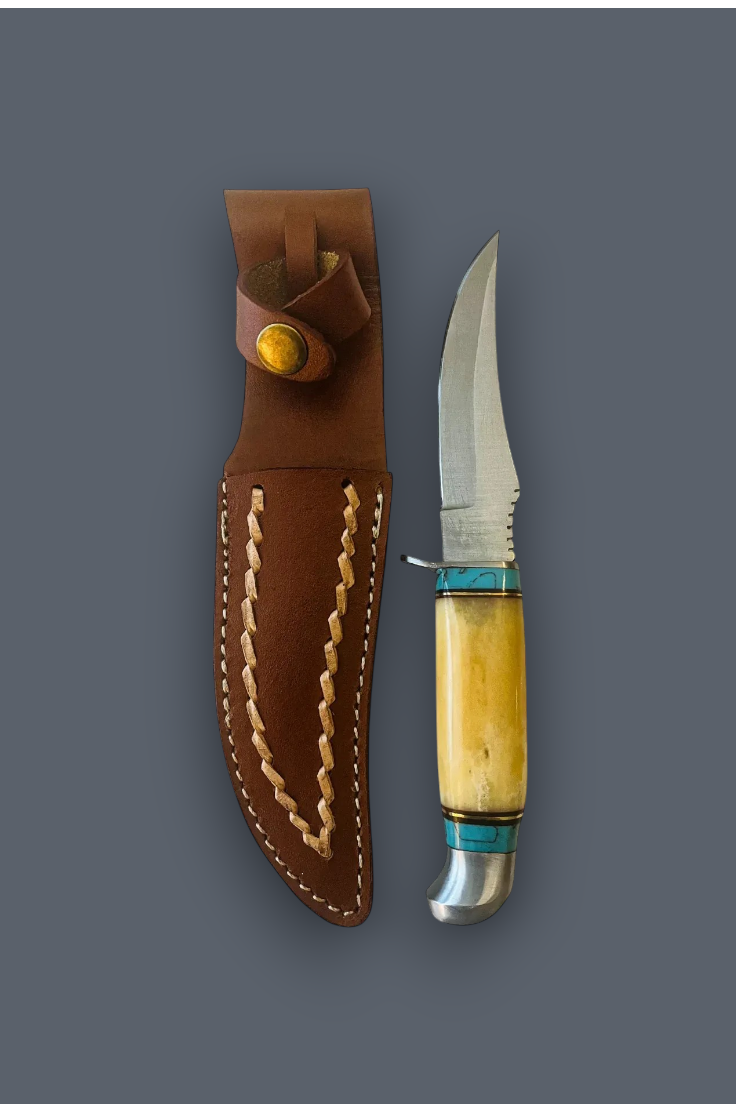
A bone handle knife is a knife whose grip or handle is crafted from real animal bone, typically from cow, buffalo, or camel bone. Over time, the bone is dried, stabilized, polished, and shaped into a natural, durable handle that fits comfortably in the hand.
Understanding the Anatomy
A bone handle knife usually features:
- Full tang construction (the blade steel runs through the entire handle)
- Polished or textured bone scales
- Stainless steel or Damascus steel blade
- Pins or rivets securing the handle to the tang
Because bone is a naturally dense material, it offers a sturdy, comfortable grip with a smooth yet secure texture, something modern synthetics often attempt to replicate but rarely match in character.
Explore Fixed Blade Bone Handle Knives
Discover handcrafted Damascus knives with distinctive bone handles.
Explore CollectionWhere Bone Handles Come From
Bone handles have been used for centuries in knives, tools, and weapons. Hunters and craftsmen traditionally sourced bone from animals they harvested, giving the knife a story and connection to the land.
Today, bone-handled knives are made using:
- Buffalo bone (most common)
- Cow bone
- Camel bone
- Stabilized bone, where the material is infused with resin for durability
Modern finishing techniques ensure the bone is smooth, crack-resistant, and able to withstand outdoor conditions far better than older versions.

Explore Bone Handle Knives
Why Bone Handle Knives Are the Top Choice for Hunters
As hunting gear continues to evolve, modern hunters want tools that offer reliability, strength, and a touch of classic style. Bone-handled knives deliver on all three, making them a standout choice.
1. Superior Grip and Control in Outdoor Conditions
Bone handles provide a naturally secure grip. Unlike plastic or rubber, the surface doesn’t become overly slippery when wet. And compared to wood, bone offers better density and resistance to swelling.
When you’re:
- field dressing game,
- carving wood for camp tasks,
- or working in cold, damp weather,
The stable grip of a bone handle knife gives you more control and safety.
2. Built for Durability and Long-Term Use
High-quality bone handles are naturally strong, and modern stabilized bone makes them even more resistant to moisture, cracking, temperature shifts, and everyday wear. Unlike wood, bone doesn’t absorb much water and is far less likely to swell or warp over time. This makes bone handles exceptionally reliable for hunters who store or use their EDC knives in changing outdoor environments. With proper care, a bone-handled knife can remain sturdy and dependable for many years.
3. Aesthetic Appeal and Traditional Craftsmanship
Hunters often want a knife that’s more than a tool; they want something with heritage and personality. No two bone handles look alike. Each has natural variations, textures, and coloration that make the knife feel unique. That's why collectors also favor bone-handled knives.
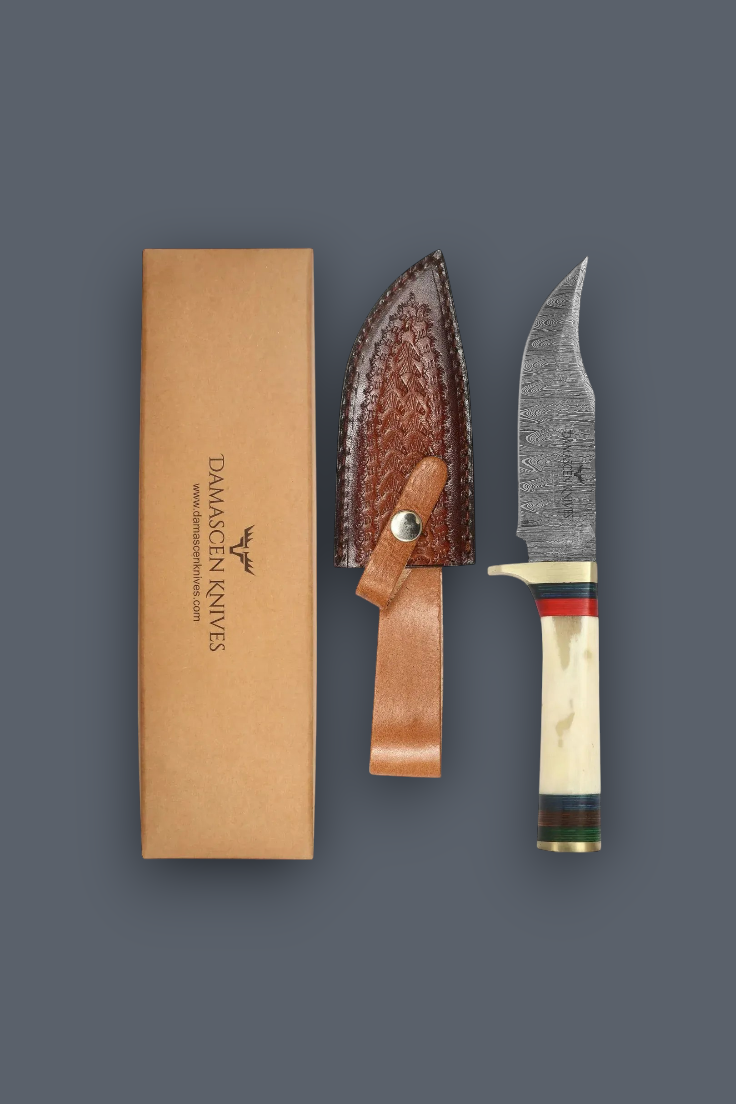
For those who love craftsmanship, a Damascus bone handle knife combines the beautiful patterning of Damascus steel with the classic look of natural bone, making it both functional and visually striking.
4. Why Bone Handles Still Matter in 2026
Bone knife handles have evolved a lot over the years, and today’s versions are far more advanced than the old, untreated ones. Modern craftsmanship has transformed bone into a reliable, long-lasting material that stands up to real outdoor use while keeping its classic appeal.
- Improved stabilizing methods make bone more rigid and more resistant to shrinking or cracking.
- High-polish protective finishes help repel moisture and everyday wear
- Reinforced bone scales provide greater strength for demanding field tasks
- Ethically sourced materials come from the meat industry, not from hunting or endangered species
Thanks to these upgrades, hunters get the best of both worlds: traditional style with modern durability. A bone-handled knife now fits right into today’s gear expectations without losing its timeless character.
Bone Handle vs Wood Handle
When it comes to choosing a knife handle, most people narrow it down to two timeless options: bone and wood. Both feel natural, both offer excellent grip, and both have been used for generations. But depending on how and where you use your knife, one option may suit you better than the other.
Wood Handle Knife
Wood handles are popular because they feel familiar, warm, and lightweight in the hand. They offer a natural, classic look that many knife users appreciate. While they’re comfortable to hold, wooden-handle knives can be more sensitive to moisture and temperature changes over time.
Explore Wood Handle KnivesBone Handle Knife
Bone handles are known for their density, strength, and long-lasting durability. They perform exceptionally well in rugged or wet conditions, where grip and resilience matter most. Bone doesn’t absorb moisture easily, making it more reliable for challenging outdoor or hunting tasks.
Explore Bone Handle KnivesComparison Table of Bone Handle & Wood Handle
|
Feature |
Bone Handle Knife |
Wood Handle Knife |
|
Moisture Resistance |
High, less likely to swell or warp |
Moderate, can absorb moisture |
|
Durability |
Very strong and pressure-resistant |
Durable but can be affected by conditions |
|
Weight |
Slightly heavier and denser |
Usually lighter and easier to handle |
|
Grip in Cold |
Excellent, maintains a firm grip |
Good, but can feel slick depending on the finish |
|
Appearance |
Classic, polished, rugged |
Warm, traditional, natural grain patterns |
|
Best Use |
Hunting, survival, outdoor tasks |
Everyday carry, light field use |
Choosing between bone and wood comes down to how you plan to use your knife. For hunting or wet environments, bone often delivers superior performance. But for comfort and classic style, wood still has its place. Pick the handle that feels right for your needs and the conditions you face.
How to Choose the Right Bone Handle Knife for Hunting
Choosing the right bone handle knife matters when you're relying on your gear outdoors. A well-built hunting knife should combine strength, comfort, and reliability, especially when used for field dressing, carving, or survival tasks. Bone handles add a classic aesthetic, but the performance comes from the quality of materials and construction behind them. When selecting the right knife, focus on the features that ensure long-term durability and dependable use in rugged environments.
1. Blade Steel
The steel, paired with a bone handle, significantly influences how the knife performs in real hunting situations. High-quality steels ensure the knife stays sharp longer, resists the elements, and withstands repeated heavy use.
Common and reliable steel choices include:
- Damascus steel
- 1095 high-carbon steel
- D2 tool steel
- Quality stainless steel (440C, 8Cr series, etc.)
Each steel type provides its own balance of edge retention, sharpness, corrosion resistance, and ease of sharpening, so choose based on the environment and frequency of use.
2. Handle Comfort
A hunting knife should feel natural in your hand, especially during longer cutting sessions. The bone handle should be shaped and finished to provide a secure, fatigue-free grip.
Look for:
- Smooth edges that don’t cause irritation
- Ergonomic shaping to fit the hand
- Polished finish for comfort
- Firm and stable grip with no sharp hot spots
A comfortable bone handle improves precision and reduces strain during field work.
3. Full Tang Construction
For hunting and outdoor use, construction matters as much as the blade. A full-tang bone-handled knife, where the steel extends through the entire handle, delivers maximum strength, stability, and control.
This is especially important when performing tasks such as:
- Splitting small wood
- Carving
- Skinning and field dressing
- Light bushcraft work
Full tang design ensures the knife won’t loosen, separate, or fail under pressure.
4. Quality Bone Material
Not all bone handles are created equal. High-quality bone enhances durability, grip, and longevity, while low-grade bone may crack or feel brittle over time.
Check for:
- Stabilized bone that resists moisture and shrinkage
- Tight-fitting scales with no gaps
- No visible cracks or weak points
- Smooth, even surface finish
Premium bone handles feel dense and solid, offering both beauty and long-term reliability.
Choosing a bone handle hunting knife is about balancing performance with craftsmanship. When the steel, construction, and handle quality come together, you get a tool that’s dependable in any outdoor condition. Investing in the right knife ensures you’re prepared for every task the field throws your way.
How to Care for a Bone Handle Knife
Bone-handled knives are prized for their classic beauty and long-lasting durability, but like all natural materials, they require a bit of mindful care. Proper maintenance not only protects the handle but also preserves its smooth texture and natural sheen. A few simple habits can keep your knife looking its best and performing well for years. Follow these steps to maintain the strength and elegance of your bone handle.
Cleaning
- Wipe the bone handle with a soft cloth after each use
- Avoid soaking the knife in water to prevent swelling or warping
- Keep the handle away from harsh detergents or chemical cleaners
Oiling
- Apply mineral oil or a gentle conditioner occasionally
- Helps prevent the bone from drying out
- Enhances the natural shine and color
- Adds a protective layer that reduces the risk of cracking
Storage
- Store your knife in a cool, dry place
- Avoid long-term exposure to extreme heat or humidity
- Consider using a sheath or protective case for added protection
With consistent care, a bone handle can maintain its beauty for decades. These small steps help preserve the material’s natural strength and charm. A well-cared-for bone-handled knife is something that can truly be passed down through generations.
FAQ: Bone Handle Knives
1. What is a bone handle?
A bone handle is a knife handle made from real animal bone, most commonly cow or buffalo bone. The bone is cleaned, shaped, and polished to create a durable and comfortable grip. It offers a natural, traditional look that many hunters and collectors appreciate.
2. Is bone a good knife handle?
Yes, bone is considered an excellent knife handle material, especially for outdoor and hunting use. It provides a dense and stable grip that performs well in various weather conditions. Its durability and timeless craftsmanship make it a reliable choice for long-term use.
3. What is bone handle cutlery made of?
Bone handle cutlery is typically made from cow or buffalo bone that has been dried, stabilized, and shaped into handle scales. These bone scales are then securely attached to the utensil. The result is a strong, natural-looking handle with unique patterns and texture.
4. What is a handle on a knife?
A knife handle is the part of the knife you hold while using it, designed to provide comfort, control, and safety. It can be made from materials like bone, wood, micarta, rubber, or synthetic composites. The quality and shape of the handle greatly affect the knife’s overall performance.
5. What is the best type of knife handle?
The best type of knife handle depends on how the knife will be used. For hunting and outdoor tasks, bone and micarta handles offer excellent durability and grip. For kitchen or everyday use, materials like wood, rubber, or G10 may provide better comfort and handling.
6. What bone is used for knife handles?
Most knife handles are made from cow bone or buffalo bone because these materials are dense, strong, and easy to shape. They are often stabilized to enhance durability and reduce moisture absorption. Some premium knives also feature camel bone or dyed bone for added style and uniqueness.
Conclusion
A bone handle knife remains a strong choice in 2026 for buyers who want a knife with natural beauty, practical grip, and long-lasting outdoor appeal. Its dense feel, classic finish, and unique handle pattern make it suitable for hunters, campers, collectors, and anyone who values traditional knife craftsmanship. When choosing one, pay attention to the blade steel, handle comfort, full tang construction, sheath quality, and proper care. With the right maintenance, a well-made bone handle knife can stay dependable for years while keeping its timeless look. For buyers who want a handcrafted blade with character, Damascen Knives offers bone handle and Damascus knife designs made for real use, display, and gifting.


