



Choosing the right kitchen knife is one of the most important decisions for anyone who enjoys cooking. A good knife makes meal preparation faster, safer, and more enjoyable. On the other hand, using the wrong knife can lead to frustration, accidents, or unevenly cut ingredients. In this guide, we will explore 10 different types of kitchen knives, their features, benefits, and tips for choosing the right one. Whether you are a home cook or a professional chef, understanding your knives will improve your cooking experience and make your kitchen more efficient.
10 Types of Kitchen Knives and Their Uses
A well-equipped kitchen isn’t complete without understanding the different types of kitchen knives available today. Each knife serves a specific purpose, making cooking more efficient, precise, and safe. Understanding their features, benefits, and limitations helps you choose the right tool for every task. Below are the most common types of kitchen knives every home cook should know.
1. Chef’s Knife
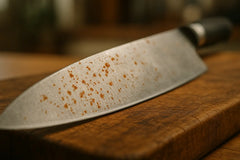
The chef’s knife is widely considered the foundation of a well-equipped kitchen, designed to handle a broad range of cutting tasks with precision and efficiency. Recognized by its broad blade and gently curved edge, it supports a natural rocking motion that allows cooks to chop, slice, mince, and dice with consistent control. This versatility makes it the go-to tool for everything from prepping crisp vegetables and herbs to breaking down proteins.
Pros:
- Highly versatile for most kitchen tasks
- Comfortable rocking motion for chopping
- Handles vegetables, meat, and fruits easily
Cons:
- Can feel heavy for small hands
- Requires regular sharpening
- Not ideal for very delicate tasks
2. Santoku Knife
The Santoku knife is a Japanese-inspired all-purpose blade celebrated for its balance, agility, and refined cutting performance. Typically shorter and thinner than a traditional chef’s knife, it features a flat edge that promotes a smooth, downward slicing motion rather than a rocking technique. This design allows for exceptional precision, making it ideal for creating uniform cuts with minimal effort. Highly versatile, the Santoku performs beautifully when preparing vegetables, delicate herbs, fish, and boneless meats, making it a dependable choice for cooks who value accuracy, speed, and clean presentation in everyday meal prep.
Pros:
- Lightweight and precise
- Reduces food sticking with a hollow edge design
- Excellent for slicing, dicing, and mincing
Cons:
- Not suited for chopping through bones
- Shorter blade limits reach for large items
3. Utility Knife
The utility knife is a versatile mid-sized blade that bridges the gap between a paring knife and a chef’s knife, making it an essential tool for precise, everyday kitchen tasks. Designed to deliver both control and cutting strength, it offers excellent manoeuvrability for jobs that require more accuracy than a larger knife can provide. Its narrow profile allows for smooth, consistent slicing without tearing delicate ingredients. Ideal for trimming meats, slicing sandwiches, segmenting small fruits, and handling detailed prep work, the utility knife is a dependable choice when efficiency and precision matter most.
Pros:
- Handles medium-sized tasks easily
- Flexible and easy to manoeuvre
- Great for trimming or slicing small ingredients
Cons:
- Limited for heavy-duty tasks
- Not ideal for large vegetables or meat
4. Paring Knife
The paring knife is a compact yet highly precise tool designed for detailed kitchen work where control is essential. Its short, sharp blade allows for careful handling, making it easy to execute intricate cuts without damaging delicate ingredients. Lightweight and exceptionally manoeuvrable, it fits comfortably in the hand for tasks that require accuracy rather than force. Perfect for peeling fruits, deveining shrimp, trimming vegetables, and crafting garnishes, the paring knife is an indispensable companion for finishing touches and fine preparation.
Pros:
- Precise and easy to control
- Ideal for small, delicate tasks
- Great for peeling and garnishing
Cons:
- Too small for big vegetables or meat
- Not versatile for general prep
5. Bread Knife
The bread knife is a specialized kitchen tool engineered to deliver clean, effortless cuts through foods with contrasting textures. Its long blade, paired with sharp serrations, allows it to grip tough exteriors while gliding through soft interiors without tearing or compressing them. This design reduces friction and preserves the structure of delicate foods, ensuring neat, bakery-style slices every time. Ideal for crusty bread, tender cakes, flaky pastries, and soft-skinned produce like tomatoes, the bread knife brings both precision and consistency to everyday slicing tasks.
Pros:
- Cuts crusty bread cleanly
- Excellent for cakes and pastries
- Serrated edge reduces squishing
Cons:
- Limited use beyond bread and soft produce
- Harder to sharpen than straight-edge knives
6. Bone Knife
The bone knife is a precision focused tool crafted specifically for detailed meat preparation, where accuracy and control are critical. Its narrow blade and slight flexibility allow it to glide effortlessly along bones, joints, and connective tissue, minimising waste while preserving the natural shape of the cut. Designed to reach tight spaces that larger knives cannot, it offers excellent manoeuvrability for clean, professional results. Ideal for poultry, fish, and trimming beef, the boning knife is essential for anyone who values efficiency and refined butchery in the kitchen.
Pros:
- Precise meat trimming
- Flexible blade reduces waste
- Perfect for poultry and fish
Cons:
- Requires skill to use safely
- Not suitable for chopping or heavy-duty cuts
7. Cleaver Knife
The cleaver knife is a heavy-duty kitchen powerhouse designed to tackle demanding cutting tasks with confidence and control. Recognized by its large, rectangular blade, it delivers the weight and momentum needed to break through tough ingredients while maintaining stability during each strike. Beyond its strength, the wide blade can also be used to crush aromatics or transfer chopped ingredients from board to pan, adding to its practicality. Ideal for heavy meat preparation, splitting small bones, smashing garlic or ginger, and chopping dense vegetables, the cleaver combines raw power with surprising versatility.
Pros:
- Can chop through bones easily
- Durable and heavy-duty
- Good for crushing garlic or ginger
Cons:
- Bulky for small tasks
- Requires storage space
- It can be intimidating for beginners
8. Carving Knife
The carving knife is a specialized slicing tool crafted to produce clean, uniform cuts without tearing or shredding cooked meats. Its long, slender blade minimizes resistance, allowing it to glide through proteins in a single smooth motion while preserving texture and presentation. This design helps retain flavorful juices and creates professional-looking slices, making it especially valuable for serving. Ideal for roasts, poultry, ham, and other large cooked meats, the carving knife ensures both precision and elegance when it matters most.
Pros:
- Produces thin, precise slices
- Excellent for cooked meats
- Reduces tearing and uneven cuts
Cons:
- Not versatile for other tasks
- A long blade can be difficult to control for beginners
9. Fillet Knife
The fillet knife is a highly flexible, narrow-bladed knife designed for delicate and precise cutting tasks. Its suppleness allows the blade to closely follow the contours of bones, making it perfect for separating flesh cleanly from skin or bones without wasting meat. This precision ensures smooth, professional fillets and helps preserve the texture and integrity of seafood. Ideal for fish filleting, seafood preparation, and removing skin or bones, the fillet knife is an essential tool for any cook who values finesse and efficiency in the kitchen.
Pros:
- Flexible and precise for filleting
- Ideal for fish and seafood
- Glides easily along bones
Cons:
- Very specialized, limited use
- Requires careful handling
10. Kitchen Shears
Kitchen shears are sturdy, purpose-built scissors that handle a wide range of food prep tasks with ease and precision. Their strong blades can tackle jobs that might be cumbersome with a knife, from trimming herbs and snipping vegetables to breaking down poultry and opening packaging. Beyond simple cutting, they often serve as a multi-functional tool in the kitchen, making quick tasks safer and more efficient. Every home cook benefits from having a reliable pair of kitchen shears within arm’s reach for both everyday prep and specialized tasks.
Pros:
- Multi-functional and easy to use
- Cuts herbs, poultry, and packaging
- Simple to clean and store
Cons:
- Cannot replace knives for slicing or chopping
- Less precise for fine cutting tasks
By understanding the features, benefits, and limitations of each knife, you can make informed choices, improve your cooking workflow, and ensure safety in the kitchen. Investing in quality knives and maintaining them properly will reward you with years of efficient, enjoyable cooking experiences.
Features of a Good Kitchen Knife
Regardless of the types of kitchen knives you choose, certain features determine quality and performance. A good kitchen knife is more than just a sharp blade; it is a tool designed to make cooking safer, faster, and more enjoyable. Choosing a knife with the right features ensures that you can handle a variety of tasks efficiently, from chopping vegetables to slicing meat. In 2026, understanding these essential characteristics will help you select a knife that performs well and lasts for years.

1. Sharp and Durable Blade
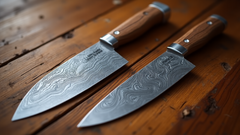
A high-quality knife must have a sharp blade that holds its edge over time. Look for blades made from stainless steel, carbon steel, or Damascus steel, as they offer durability and long-lasting performance. A sharp blade not only reduces effort while cutting but also improves safety by requiring less force.
2. Comfortable and Ergonomic Handle
The handle should feel secure and comfortable in your hand, reducing fatigue during long cooking sessions. Materials like wood, composite, or textured plastic enhance grip, while ergonomic designs provide better control for precise cuts. A well-balanced knife handle ensures accuracy and comfort.
3. Full Tang Construction
A good kitchen knife often has a full tang, meaning the blade extends through the handle. This construction adds strength, balance, and stability, making the knife safer and easier to control. Full tang knives are less likely to bend or break during heavy-duty tasks.
4. Balanced Weight and Design
Balance is critical for ease of use. A properly balanced knife feels natural in your hand, allowing smooth rocking and slicing motions. The right weight ensures that you have control without straining your wrist, making meal prep quicker and more comfortable.
5. Versatility
A good kitchen knife should be versatile enough to handle multiple tasks, from chopping vegetables to slicing meat or mincing herbs. While some knives are specialized, having at least one multipurpose knife, like a chef’s knife, ensures that you can tackle most kitchen tasks efficiently.
6. Easy Maintenance
Quality knives are designed for easy cleaning and maintenance. Stainless steel and Damascus steel knives resist rust and corrosion, while proper storage and regular sharpening keep them performing at their best. Easy maintenance helps your knives last longer and stay safe to use.
A kitchen knife with these features will not only make cooking easier but also enhance precision, efficiency, and safety. Investing in a knife that combines sharpness, comfort, balance, and durability ensures a better cooking experience and a tool that can serve you reliably for years.
Why Choosing the Right Kitchen Knife is Important
A kitchen knife is more than just a simple tool; it becomes an extension of your hand. The right knife can make cooking faster, safer, and more enjoyable. With so many types of kitchen knives available, selecting the right one can dramatically improve your cooking results. Choosing a knife suited to your needs ensures you get the best results with minimal effort.
Improved Cooking Efficiency
Using the right knife allows you to chop, dice, slice, and mince ingredients effortlessly. A well-balanced blade reduces hand fatigue, letting you work quickly and comfortably. With the proper knife, meal prep becomes smoother, and you can spend less time struggling and more time enjoying your dishes.
Enhanced Safety
A knife that feels comfortable in your hand and suits the task at hand reduces the risk of accidents. For example, a paring knife is ideal for small, delicate work, while a chef’s knife handles larger vegetables and meat safely. Proper grip, weight, and blade length all contribute to safer and more controlled cutting.
Longevity and Investment
High-quality knives, when properly cared for, can last for decades and maintain their sharpness. Investing in the right knife not only improves your cooking experience but also saves money in the long run. Regular maintenance ensures consistent performance and makes every cut precise and effortless.
Choosing the right kitchen knife is a decision that impacts your efficiency, safety, and overall satisfaction in the kitchen. By selecting knives suited to your needs, you can enjoy cooking with confidence, improve your technique, and get years of reliable use from a single investment.
How to Choose a Kitchen Knife in 2026
When comparing different types of kitchen knives in 2026, focusing on material, ergonomics, and maintenance is essential. The right knife improves efficiency, precision, and safety in the kitchen. With so many options available in 2026, it’s important to understand what features matter most. Considering material, ergonomics, and maintenance will help you make the best choice for your cooking needs.
- Blade Material: The blade material determines sharpness, durability, and maintenance. Stainless steel is rust-resistant and low-maintenance, carbon steel holds a sharp edge longer but needs extra care, and ceramic blades offer extreme sharpness but are more fragile. Choose based on your cooking style and willingness to maintain the knife.
- Handle and Ergonomics: A comfortable, well-balanced handle improves control and reduces fatigue. Handles are usually made from wood, plastic, or composite materials, and ergonomic designs help prevent slips while allowing precise cuts during long prep sessions.
- Blade Length and Weight: Blade size and weight affect comfort and efficiency. Longer blades like chef’s knives are ideal for large vegetables and meats, while shorter blades such as paring knives allow precise control. Heavier knives provide power, and lighter knives offer nimble handling.
- Maintenance and Longevity: Consider how much care you are willing to provide. High-quality knives last for decades if sharpened, cleaned, and stored properly. Some knives require regular honing, while others may need professional sharpening occasionally to maintain peak performance.
By carefully evaluating blade material, handle comfort, and maintenance needs, you can select a knife that truly fits your kitchen and cooking style. A well-chosen knife will make meal prep safer, faster, and more enjoyable. Investing in quality in 2026 ensures years of reliable performance and precision in the kitchen.
Where to Buy Kitchen Knives in 2026
In 2026, there are many trusted places to buy kitchen knives that combine quality, performance, and value. Whether you’re shopping for everyday use, professional cooking, or premium blades, choosing a reputable brand ensures better durability, edge retention, and safer cutting performance. Below are three excellent kitchen knife brands and retailers to consider:
1. Wüsthof
Wüsthof is one of the most respected kitchen knife brands in the world. Known for its precision forged blades and German steel, Wüsthof knives offer excellent balance, strength, and long‑lasting sharpness. Their classic series knives are versatile and comfortable, suitable for both home cooks and professional chefs who want reliable performance every day.
2. Shun
Shun knives are handcrafted in Japan using high‑quality steel and elegant design techniques. These knives are extremely sharp with fine edge retention, making them ideal for precise cutting tasks. Shun’s VG‑MAX and Damascus‑clad blades glide smoothly through vegetables, fish, and meat with minimal resistance, appealing to cooks who prioritize finesse and control.
3. Damascen Knives
Damascen Knives offers a wide selection of Damascus steel kitchen knives that stand out in terms of price and quality. Their blades are designed to balance sharpness, durability, and ergonomic feel, making them suitable for both everyday use and gift giving. Because Damascus steel combines layered steels for strength and edge retention, these knives provide excellent long‑term performance without an overly premium price tag. Many home cooks appreciate that Damascen Knives delivers high‑quality materials and aesthetic blade patterns while keeping prices competitive and accessible. Their kitchen knife collections include essential types like chef’s knives, fillet knives, and more, all designed for modern kitchens.
When buying kitchen knives in 2026, always look for verified retailers, full tang construction, and clear warranty or return policies. Investing in quality blades today means better performance, easier maintenance, and knives that stay sharper longer, helping you create meals more efficiently and safely.
How to Maintain Your Kitchen Knives
Proper maintenance is essential to keep your kitchen knives sharp, safe, and long-lasting. Regular sharpening with a honing rod helps maintain the edge, while dull blades occasionally benefit from professional sharpening. Knives made from ceramic or carbon steel may require specialized care to stay in top condition. Always wash your knives by hand and avoid the dishwasher, storing them safely in a knife block or on a magnetic strip to protect the blade. Additionally, avoid cutting on hard surfaces like glass or stone, and use each knife only for its intended purpose. For more detailed tips on keeping high-quality knives in perfect shape, check out our guide on mastering Damascus knife care, which covers essential practices to ensure longevity and optimal performance.
Conclusion
Understanding the different types of kitchen knives in 2026 is essential for efficiency, safety, and enjoyment in the kitchen. From understanding the features and benefits of each type of knife to maintaining them properly and selecting trusted brands like Damascen Knives, having the right tools makes cooking easier and more precise. By investing in quality knives, caring for them correctly, and using them for their intended tasks, you can elevate your cooking experience, save time, and ensure years of reliable performance.
Frequently Asked Questions (FAQs)
Q1: What are the 7 types of kitchen knives?
The seven most common kitchen knives include the chef’s knife, paring knife, bread knife, utility knife, boning knife, fillet knife, and cleaver. Each knife serves a specific purpose, from chopping vegetables to filleting fish.
Q2: What are the 8 basic types of knives, and how are they used?
The eight basic knives are chef’s, paring, utility, bread, boning, fillet, cleaver, and carving knives. They are used for tasks like chopping, peeling, slicing, filleting, and cutting through tough meat or bones.
Q3: What are the types of cooking knives?
Cooking knives range from multipurpose knives like chef’s and Santoku knives to speciality knives such as bread, boning, and fillet knives. Each type is designed to make specific kitchen tasks easier and more precise.
Q4: What type of kitchen knife is best?
The best all-around kitchen knife is typically a chef’s knife. It is versatile, durable, and suitable for most tasks, from chopping vegetables to slicing meat.
Q5: What are the 4 essential kitchen knives?
The four essential kitchen knives are the chef’s knife, paring knife, bread knife, and utility knife. These knives cover almost all daily cooking tasks efficiently and safely.









Comments