

When Must a Knife Be Cleaned and Sanitized? Essential Kitchen Safety Guide
If you spend any real time in a kitchen, whether at home or in a professional environment, you quickly learn that knives are one of the most frequently used tools. They are also among the easiest ways to spread bacteria if not handled correctly. Over the years, I’ve seen many people underestimate how often a knife needs to be cleaned and sanitized, assuming a quick rinse is enough. It usually isn’t.
In this guide, I’ll explain exactly when a knife must be cleaned and sanitized, why it matters so much for food safety, and how to do it properly based on real kitchen practices and food safety standards.
Why Cleaning and Sanitizing Knives Is Critical for Food Safety
Knives come into direct contact with almost every ingredient in food preparation. Raw meat, vegetables, seafood, and ready-to-eat foods often pass across the same blade. When a kitchen knife is not cleaned and sanitized at the right time, harmful bacteria can easily transfer from one food to another.
Based on my experience working in professional kitchens and with food safety guidelines, knives are a high-risk tool for cross-contamination. Unlike cutting boards, they are often reused quickly without much thought. This is exactly why food safety rules pay special attention to knife hygiene. Proper cleaning and sanitizing significantly reduce the risk of foodborne illnesses and help maintain a safe kitchen environment.
The Difference Between Cleaning and Sanitizing a Knife
One of the most common misunderstandings I see is people using the terms "cleaning" and "sanitizing" as if they mean the same thing. They don’t. Cleaning a knife means removing visible food particles, grease, and dirt using soap and water. Sanitizing a knife means reducing or killing harmful microorganisms that may remain after cleaning.
Cleaning always comes first. Sanitizing without cleaning is ineffective. Both steps are necessary for proper knife hygiene.
When Must a Knife Be Cleaned and Sanitized?
A knife must be cleaned and sanitized at specific times during food preparation to meet food safety standards and best practices.
A knife should be cleaned and sanitized:
- After cutting raw meat, poultry, or seafood
- Before switching from raw foods to ready-to-eat foods
- After handling allergens such as nuts or shellfish
- After four hours of continuous use
- If the knife falls on the floor or touches an unsanitary surface
- Before starting a new food preparation task
- At the beginning and end of a food prep shift
These situations are widely recognized in food safety training because they present the highest risk for contamination.
Common Kitchen Scenarios That Require Knife Sanitization
Switching Between Different Types of Food
If you cut raw chicken and then move on to vegetables or bread without cleaning your knife, you are creating a serious food safety risk. Raw animal products carry bacteria that should never come into contact with ready-to-eat foods.
After Peeling or Chopping Produce
Even vegetables can leave residue that supports bacterial growth. If you switch between different ingredients, especially from dirty to clean foods, sanitizing your knife is essential.
After Long Periods of Use
In busy kitchens, knives may be used continuously for hours. Food safety rules require knives to be cleaned and sanitized at least every four hours during constant use.
After Accidental Contamination
If a knife drops on the floor, touches a trash surface, or is used incorrectly, it must be cleaned and sanitized immediately before being reused.
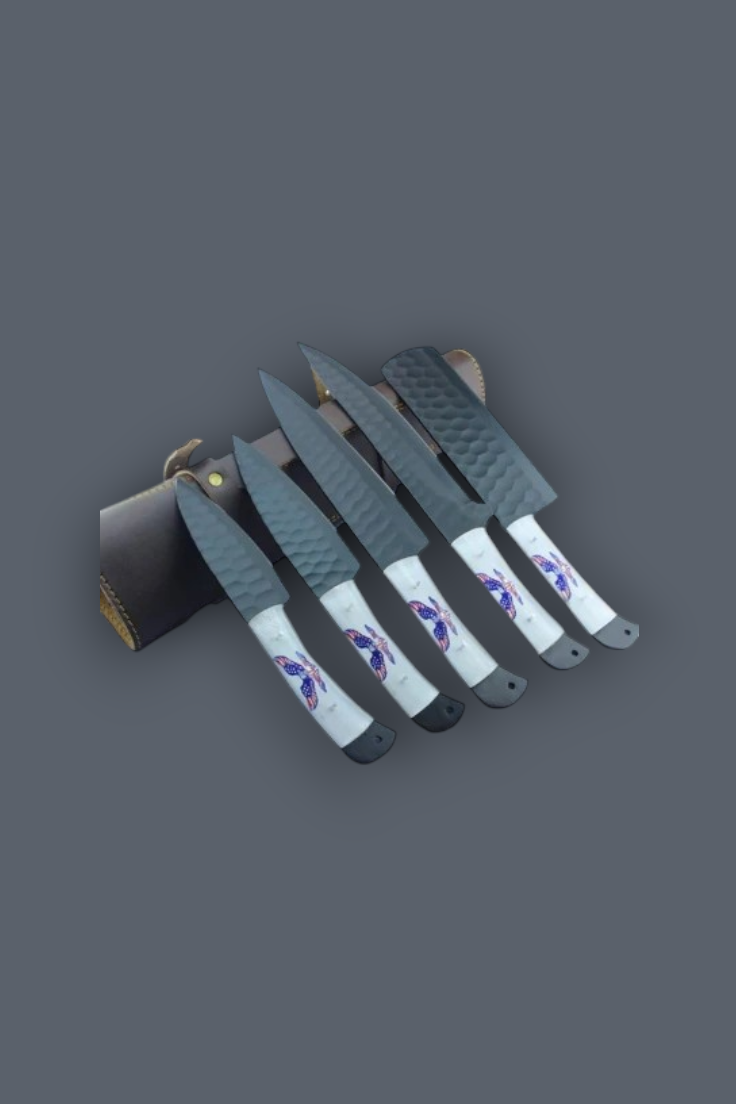
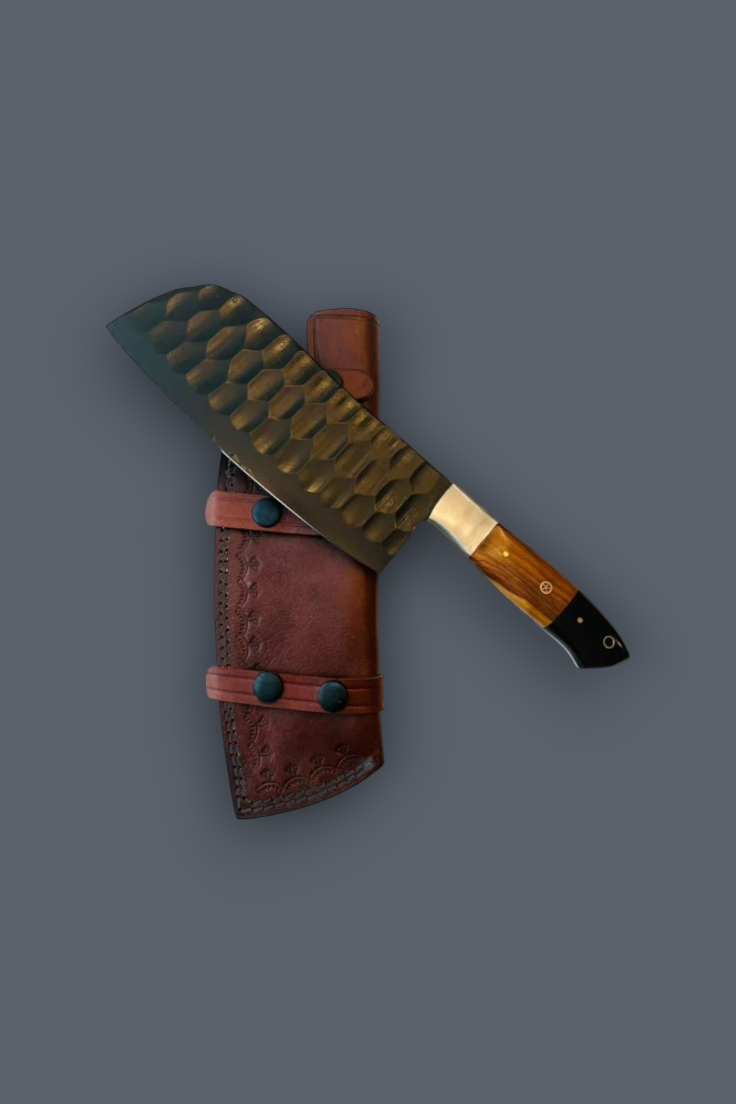
Our Premium Kitchen Knives for Everyday Cooking
Looking for a reliable kitchen knife that is easy to maintain? Explore these handcrafted kitchen knives from Kitchen Knives collection . From versatile multi-piece sets to hand-forged Damascus steel blades, these options are designed for everyday chopping, slicing, dicing, and food preparation.

Signs That a Knife Needs to Be Cleaned
Even if you believe your knife is perfectly pristine, there are a few signs to watch for to make sure it is fully cleaned. There’s food left behind on the blade, even tiny bits of it, that might be harbouring bacteria that could harm your food. It’s a good idea to double-check your knife after slicing things that are very likely to stick to it, such as cheese or raw chicken.
Bad smells are also evidence that your knife needs to be cleaned. Occasionally, even with a quick rinse, foods are stuck in tiny pockets or cracks on the edge or handle. If your knife smells strange or smells different from normal, that's usually an indicator that it needs more attention to cleaning and disinfecting.
Criteria for a dirty knife:
- Dissipating food or stains on the blade.
- There is an odour after the knife is rinsed.
- Reaction, Rusty or oily residue on the grip or knife.
- Blowing of blood from acidic fruits such as tomatoes or lemons.
- Food crumbs trapped in gaps.
How to Properly Clean and Sanitize a Knife
From a practical standpoint, knife cleaning does not need to be complicated, but it must be done correctly.
- First, rinse the knife to remove any visible food debris.
- Second, wash the blade and handle thoroughly using hot water and dish soap.
- Third, rinse the knife to remove soap residue.
- Fourth, sanitize the knife using an approved sanitizing method, such as heat or a food-safe sanitizer.
- Finally, allow the knife to air dry or dry it with a clean towel.
Skipping steps or rushing the process defeats the purpose of sanitizing.
Repercussions of not cleaning knives include
Not cleaning and sanitizing knives might seem harmless in the moment, but it can create serious problems over time. Proper knife cleaning is one of the simplest habits that prevents much bigger issues.
Repercussions of not cleaning knives include
- Increased risk of cross-contamination between raw and ready-to-eat foods
- Higher chances of foodborne illness caused by harmful bacteria
- Bacterial buildup on the blade, even when it looks clean
- Health code violations and failed inspections in commercial kitchens
- Poor food quality, off-flavours, and unpleasant odours
- Faster wear, corrosion, and reduced lifespan of the knife
Not cleaning a knife properly and promptly can lead to rust. You can read our detailed guide, “ How to get rust on a knife with 6 proven methods ,” to safely remove rust from your knives.
Mistakes People Commonly Make When Cleaning Knives
Over the years, I’ve noticed a few errors that recur in both home and professional kitchens.
- Wiping the knife with a cloth instead of washing it with soap and water
- Sanitizing the knife without cleaning it first
- Assuming soap alone is always enough to remove harmful bacteria
- Skipping sanitization when switching between different foods
- Using dirty or reused towels to dry a clean knife
- Reusing a knife after it has fallen or touched an unsanitary surface
Knife Cleaning Rules in Commercial vs Home Kitchens
Commercial kitchens must comply with strict food safety regulations, and knife sanitization is closely monitored during inspections. While home kitchens are not inspected, the risks are still the same.
In my opinion, home cooks should follow commercial kitchen standards as closely as possible. The habits you build at home directly affect food safety, especially when cooking for family or guests.
How to Maintain Your Knives for Lasting Performance
Proper knife maintenance goes beyond cleaning and sanitizing. In my experience, well-maintained knives stay sharper, safer, and more reliable for years, while neglected knives lose performance quickly. Always dry your knife immediately after washing to prevent moisture-related damage. Store knives in a knife block, on a magnetic strip, or in a protective sheath to avoid dulling blade and accidental damage. Regular honing helps maintain edge alignment, while periodic sharpening restores cutting performance.
It’s also important to follow care guidelines based on the knife material. For example, high-carbon and patterned blades require extra attention to prevent corrosion. If you want a deeper breakdown of blade-specific care, our guide on mastering Damascus knife care essential tips explains how to protect, store, and maintain Damascus knives properly for long-term use. Consistent care not only extends the life of your knives but also improves food safety and overall kitchen efficiency.
Conclusion
Knife cleaning and sanitization are not optional habits. They are essential steps in maintaining a safe and responsible kitchen. Whether you are a professional food handler or a home cook, knowing when a knife must be cleaned and sanitized helps prevent cross-contamination and protects everyone who eats your food. In my experience, the safest kitchens are not the most expensive ones. They are the ones where simple food safety rules are followed consistently, every single day.
Frequently Asked Questions
What are the 5 knife safety rules?
Always use a clean, sharp knife, cut away from your body, and keep your fingers clear of the blade. Clean and sanitize knives between tasks, store them properly, and never leave them in sinks where they can’t be seen.
Is it OK to just wipe my knife between uses?
No, wiping a knife does not remove bacteria or food residue. A knife must be properly cleaned with soap and water and sanitized when switching foods or after contamination.
What’s the difference between sanitizing and cleaning?
Cleaning removes visible food particles and dirt using soap and water. Sanitizing reduces or kills harmful microorganisms that may remain after cleaning.
Are knives safe in the dishwasher?
Some knives can be safely cleaned in a dishwasher, but hand washing is usually better for blade safety and hygiene. Dishwashers may dull blades and do not always sanitize effectively.
What is the 2 2 4 rule for food safety?
The 2-2-4 rule refers to food safety time limits: food should not sit out for more than 2 hours, refrigerated leftovers should be used within 4 days, and freezing extends storage safety.
How and when should you clean your knives?
Knives should be cleaned and sanitized after cutting raw foods, switching ingredients, after four hours of use, or if contamination occurs. Proper cleaning includes washing, sanitizing, and air drying.


