

What Is a Gut Hook Knife? Uses, Features & Whether You Actually Need One
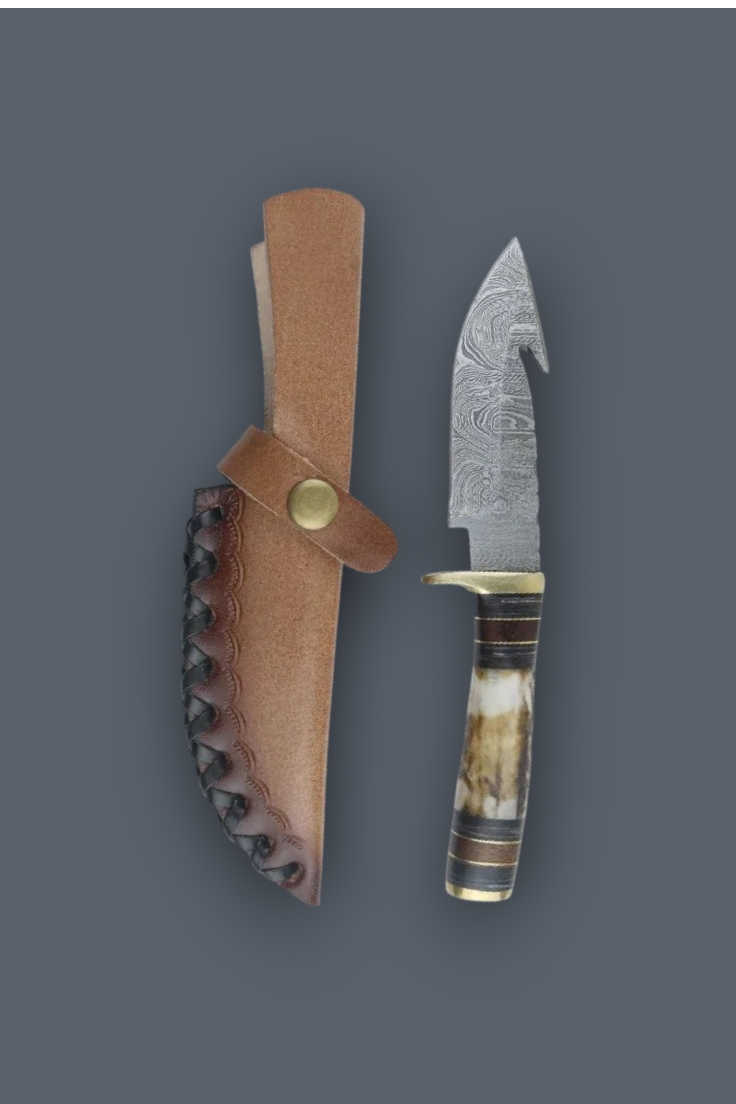
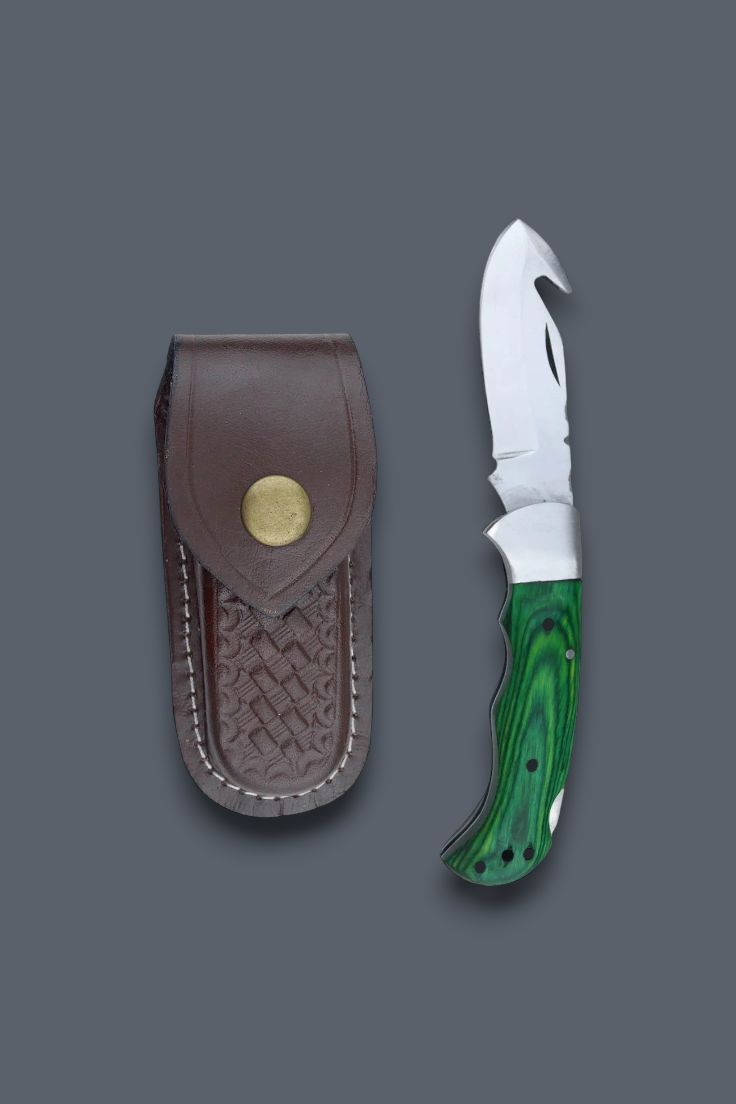
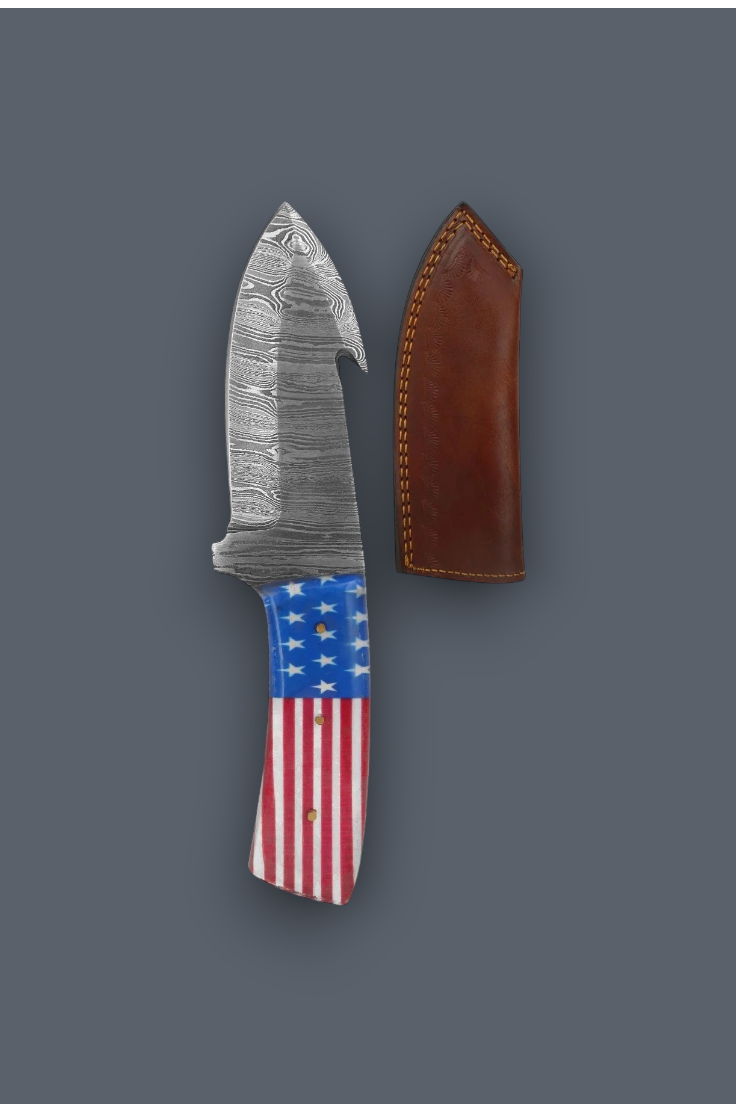
A gut hook knife is a hunting knife with a small, sharpened hook usually near the spine or tip of the blade designed to open the hide of a game animal from the inside out without cutting into the abdominal cavity. Hunters pull the hook through the skin in a controlled, upward motion, which keeps the blade edge away from the stomach and intestines and reduces the risk of contaminating the meat.
That's the short version. Below, we break down how the hook actually works, when it genuinely helps versus when a standard blade does the job just as well, and how to keep one sharp something most gut hook guides skip entirely. (If you're comparing entry-level options first, our best Damascus hunting knives under $100 roundup include a few gut hook models worth a look).
How a Gut Hook Actually Works
The hook is a small, crescent-shaped notch with a sharpened inside edge. Unlike a normal blade, it's designed to cut on the pull, not the push. A hunter makes a small starter incision with the knife's point, hooks the blade under the hide, and draws it forward along the belly. The curved geometry keeps the cutting edge riding just under the skin, which is what prevents it from sinking deep enough to nick the stomach wall or intestines.
Most gut hook knives aren't a separate knife type they're a standard blade shape (usually drop point, sometimes clip point or skinner) with the hook ground into the spine or blended into the tip.
Do You Actually Need a Gut Hook Knife?
This is the most searched and most debated question on the topic and most articles avoid answering it honestly. Here's a fair breakdown:
The case for a gut hook:
- Helpful for beginners who haven't developed the "feel" for field dressing by hand
- Speeds up the initial belly-opening cut
- Lower risk of an accidental puncture on a first or second attempt
The case against:
- Experienced hunters often prefer a sharp drop point blade and two fingers to tent the hide, which gives more control than a hook
- The hook is genuinely difficult to sharpen and is the first part of the blade to go dull
- It can snag the hide or slow you down if you push instead of pull, or try to use it for the starting cut
Bottom line: a gut hook isn't essential, but it flattens the learning curve. Many experienced hunters carry one knife with a hook and one without, and reach for whichever fits the job.
Explore Gut Hook & Hook Blade Knives
Gut Hook vs. Drop Point: What's the Difference?
|
Gut Hook Knife |
Standard Drop Point |
|
|
Best for |
Controlled, puncture-free belly opening |
General-purpose cutting, skinning, camp tasks |
|
Learning curve |
Lower for the specific gutting cut |
Requires more finger control by hand |
|
Sharpening |
Needs a round file or tapered ceramic rod |
Sharpens easily on a standard stone |
|
Versatility |
Hook is single-purpose |
Fully versatile blade |
Most hunting knives today combine both: a drop point (or clip point) main blade with the gut hook ground into the same piece of steel, so you're not actually choosing between two separate knives you're choosing whether you want the hook feature at all. If you're still weighing blade shape on its own, our drop point vs. clip point comparison breaks down how each performs outside of gutting tasks too.
Uses and Applications
1. Field Dressing
Opens the abdominal cavity along the belly with minimal risk of puncturing the stomach or intestines the hook's core purpose.
2. Skinning
The curved edge gives controlled separation of hide from tissue, which helps preserve the meat underneath.
3. General Game Processing
Once the animal is opened and skinned, the main blade (not the hook) handles trimming fat, removing tendons, and deboning. Which blade profile suits that follow-up work best often comes down to what you're hunting our buyer's guide to Damascus hunting knives for different game types covers that in more depth.
Key Features to Look For
- Blade steel: 420HC and AUS-8 stainless are common on production knives for corrosion resistance; hand-forged Damascus steel (layered 1095/15N20) offers a harder edge and better edge retention, at a higher price and more maintenance. Whichever you choose, proper Damascus steel care regular hand-washing, drying, and a light coat of oil matters even more on a blade that's regularly exposed to blood and moisture.
- Full tang construction: the blade extends through the handle for strength during hard cuts.
- Ergonomic, textured handle: matters more than people expect wet, bloody hands need a grip that won't slip. Handle material (bone, wood, or synthetic) affects this more than most buyers realize; see how handle material affects grip for a full breakdown.
- Hook size and placement: a wider hook opening allows a smoother, longer draw stroke per pass.
How to Sharpen a Gut Hook (Most Guides Skip This)
A flat sharpening stone won't work on the concave inside edge of the hook. Instead:
- Use a round diamond file, a ceramic rod, or a tapered sharpener shaped to fit inside the curve.
- Work from the inside of the hook outward, following the curve rather than a straight stroke.
- Keep pressure light — the steel here is thinner and easier to overheat or roll than the main blade.
If you'd rather not deal with hook maintenance at all, look for knives with a replaceable gut hook insert, which lets you swap in a fresh hook instead of sharpening the original.
Frequently Asked Questions
Is a gut hook knife necessary for hunting?
No, it's a convenience feature, not a requirement. It reduces the risk of puncturing organs during field dressing, especially for less experienced hunters, but many experienced hunters field dress cleanly with a standard blade.
What's the difference between a gut hook and a regular hunting knife?
A gut hook knife has an added curved, sharpened notch (usually on the spine) designed to open hide from the inside without cutting deep. A regular hunting knife relies on the user's finger control to keep the blade shallow.
How do you sharpen a gut hook?
With a round file, ceramic rod, or curve-shaped sharpener worked from the inside of the hook outward a flat stone won't reach the concave edge.
Can a gut hook damage the meat?
Used correctly (pulling, not pushing, and starting the cut with the main blade first), a gut hook reduces meat contamination risk. Misused pushed too hard or too fast it can snag the hide.
What steel is best for a gut hook knife?
420HC and AUS-8 stainless are common, budget-friendly, and rust-resistant. Hand-forged Damascus steel holds an edge longer and is more durable but costs more and needs more careful maintenance.
Final Thoughts
A gut hook knife won't replace good technique, but for hunters who process game regularly or who want one less thing to think about mid-field-dress it's a genuinely useful feature, not just a marketing gimmick. Whether or not you go with a hook, a knife built for hard, repeated field use should be a fixed blade rather than a folder see our take on fixed blade vs. folding knives if you're unsure which fits your hunting style.
If you're ready to pick your next hunting knife, browse our hand-forged Damascus fixed blade knives, or if grip and feel in wet conditions matter most to you, our bone handle and wooden handle hunting knives are both built for exactly this kind of field use.


