



Case pocket knives are among the most recognised traditional folding knives among collectors, outdoorsmen, and everyday carry enthusiasts. Known for their classic designs and practical blade patterns, these knives have remained popular for generations. Many people appreciate them for their reliability, compact size, and timeless craftsmanship.
In this guide, we’ll explain what case pocket knives are, explore their different types and popular patterns, and help you choose the right case pocket knife for your needs in 2026.
What Are Case Pocket Knives?
Case pocket knives are traditional folding knives produced by W.R. Case & Sons Cutlery Company, a historic American knife manufacturer known for craftsmanship, quality materials, and classic knife patterns. Unlike many modern tactical knives, most Case pocket knives follow a traditional slip-joint folding design. This means the blades open and close using spring tension rather than a locking mechanism. While simple, this design has proven incredibly reliable over generations.
A typical Case pocket knife may include:
- One or multiple folding blades
- A compact design that fits comfortably in the pocket
- High-quality steel blades
- Traditional handle materials like bone, wood, or stag
Because of this balance between practical function and classic style, Case knives are widely used for:
- Everyday carry (EDC)
- Outdoor tasks
- Hunting and fishing
- Collecting
Many collectors even consider Case knives heirloom tools that can be passed down from one generation to the next.
A Brief History of Case Pocket Knives
To really understand why Case knives are so respected, it helps to know their history. The story of W.R. Case & Sons Cutlery Company began in the late 1800s. The Case brothers started selling handmade knives out of the back of a wagon, travelling through small American towns. Their reputation quickly grew because their knives were durable, practical, and beautifully crafted. By 1889, the company was officially formed and began producing knives on a larger scale.
What made Case knives stand out was their dedication to:
- traditional knife patterns
- high-quality blade steel
- careful hand finishing
Over the decades, farmers, ranchers, outdoorsmen, and craftsmen began relying on Case knives for everyday tasks. Today, many of the classic patterns produced over a century ago are still made by Case, which is part of what makes the brand so unique. Few knife companies have managed to maintain that level of heritage while still producing knives that people actively use today.
Types of Case Pocket Knives
While Case knives share a traditional style, they come in several pocket knife designs. Understanding these categories helps you narrow down the best knife for your needs.
1- Traditional Slip-Joint Case Knives
The majority of Case pocket knives fall into this category. Slip-joint knives rely on a spring mechanism to keep the blade open or closed rather than a locking system. This design has been trusted for generations and is common in classic folding knives.
Advantages:
- simple and reliable mechanism
- lightweight design
- Legal in many areas where locking knives are restricted
Many popular Case patterns, such as the Trapper, Stockman, and Peanut, use this design.
2- Locking Case Pocket Knives
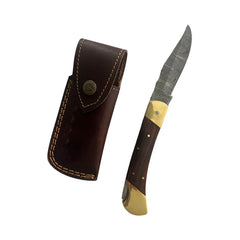
Although Case is famous for traditional knives, they also produce lockback folding knives. These knives include a locking mechanism that keeps the blade securely open during use. This provides additional safety for tasks that require more force.
Locking Case knives are popular among:
- hunters
- outdoorsmen
- people who prefer a stronger blade lock
3- Multi-Blade Pocket Knives
Some Case pocket knives feature two or three blades. This design allows users to switch between blades depending on the task at hand. For example:
- One blade for slicing
- Another for detailed cutting
- Another for utility work
The Case Stockman is one of the most famous multi-blade designs.
4- Single Blade Everyday Carry Knives
Single-blade EDC knives are designed for people who want a simple, practical tool they can carry daily. Instead of multiple blades, these knives feature one main blade that handles most cutting tasks efficiently. Some users prefer a simple single-blade pocket knife for everyday carry.
These knives are:
- lightweight
- easy to maintain
- quick to deploy
Many modern EDC users appreciate these designs for combining traditional aesthetics with practical functionality.
Most Popular Case Pocket Knife Patterns
One of the most interesting things about Case knives is their wide range of knife patterns. In traditional knife terminology, a pattern refers to the shape and configuration of the knife. Over the years, several Case knife patterns have become legendary.
1- Case Trapper Knife
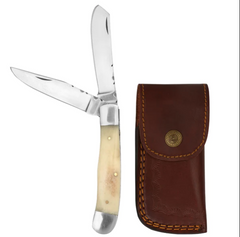
The Case Trapper is arguably one of the most popular Case pocket knives ever made. Originally designed for fur trappers, this knife features two blades:
- a clip point blade for detailed cutting
- a spey blade for skinning and slicing
The Trapper is larger than many traditional pocket knives, which makes it great for outdoor work. Because of its versatility, it remains one of the best Case pocket knives for hunters and outdoorsmen.
2- Case Stockman Knife
The Stockman is another iconic Case knife pattern. It typically includes three blades:
- clip point blade
- spey blade
- sheepsfoot blade
This configuration makes it extremely versatile. Farmers and ranchers historically relied on Stockman knives because they could handle a wide variety of tasks. Even today, many people consider the Stockman one of the best all-purpose pocket knives available.
3- Case Peanut Knife
The Case Peanut is a small but incredibly practical pocket knife. Despite its compact size, it includes two blades:
- clip blade
- pen blade
This pattern is especially popular for everyday carry (EDC) because it fits easily in the pocket and handles small cutting tasks effortlessly. Collectors also love the Peanut because it’s produced in a wide variety of handle materials and finishes.
4- Case Canoe Knife
The Canoe knife is named after its distinctive canoe-shaped handle. This knife typically features two blades located at opposite ends of the handle. The design provides excellent balance and makes it comfortable to hold during extended use. Because of its compact size and functionality, the Canoe remains a favourite among traditional knife enthusiasts.
5- Case Barlow Knife
The Barlow is one of the oldest pocket knife patterns still in production. Its defining feature is the long metal bolster at the front of the handle. This reinforces the knife and gives it a distinctive traditional look. Barlow knives have been used for centuries and are still loved by collectors and everyday users alike.
6- Case Sod Buster
The Sod Buster is known for being a rugged working knife. It features a simple single blade and a comfortable curved handle. The design makes it ideal for heavy everyday tasks. This knife is often recommended to users seeking a durable, affordable Case pocket knife.
Blade Types Used in Case Pocket Knives
Case pocket knives use several different blade shapes, each designed for a specific purpose. Some of the most common include:
- Clip Point Blade: Great for detailed cutting and precision work.
- Spey Blade: Traditionally used for skinning and slicing.
- Pen Blade: A small blade used for fine or delicate tasks.
- Sheepsfoot Blade: Designed for controlled cuts with a straight edge.
These blade variations are one reason Case knives remain incredibly versatile tools.
Handle Materials Used in Case Knives
One reason case pocket knives stand out is the wide variety of handle materials used in their designs. The handle plays an important role not only in how a knife looks, but also in how comfortable and durable it is during daily use. Different materials offer different textures, strength levels, and visual appeal, which is why many users and collectors pay close attention to handle choices.
- Bone Handles: Bone handles are one of the most traditional materials used in pocket knives. They are usually dyed in different colours and textured to improve grip. Over time, bone handle knives can develop a rich patina, which many collectors appreciate because it gives the knife a more vintage character.
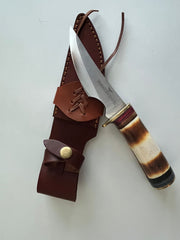
- Stag Handles: Stag handles are made from natural deer antler, making each knife unique in appearance. The natural texture provides an excellent grip and a rugged outdoor feel. Because of their distinctive look and durability, stag handles are often favoured by collectors and outdoor enthusiasts.
- Wood Handles: Wood handles give pocket knives a warm and classic appearance. Different types of wood can be used, each offering its own colour patterns and grain textures. Wooden handles are commonly found on traditional or collectable knives where aesthetics and craftsmanship are important.
- Synthetic Materials: Synthetic handles are designed for durability and resistance to moisture, temperature changes, and wear. Materials like Delrin or modern composites are often used because they are lightweight and easy to maintain. These handles are a practical choice for users who want a reliable everyday carry knife.
Choosing the right handle material often depends on personal preference and intended use. Some people prefer natural materials for their character and tradition, while others prefer synthetic options for their durability. Understanding the impact of handle materials on performance can help you select a knife that balances comfort, performance, and long-term value.
How to Choose the Best Case Pocket Knife
If you're buying your first Case knife, choosing the right one can feel overwhelming because there are so many patterns to choose from. Here are a few key factors to consider.
Choose the Right Knife Pattern
When it comes to case pocket & other EDC or folding knives, different patterns serve different purposes. For example:
- Trapper → great for hunting and outdoor tasks
- Stockman → versatile everyday utility knife
- Peanut → compact everyday carry knife
- Sod Buster → durable working knife
Understanding your intended use makes choosing much easier.
Blade Steel
Case knives typically use two primary types of steel:
- Tru-Sharp Stainless Steel: Resistant to corrosion and easy to maintain.
- Chrome Vanadium Steel: Takes a very sharp edge but requires more maintenance.
Many experienced knife users prefer Chrome Vanadium for its edge performance.
Knife Size
Pocket knives come in different sizes. Small knives are easier to carry daily, while larger knives offer more cutting power. Choosing the right size depends on whether you prioritize portability or performance.
Handle Material
Handle materials affect both comfort and durability. Bone and stag handles offer a traditional appearance, while synthetic materials provide better resistance to moisture and wear.
Why Case Pocket Knives Are So Popular
There are many reasons why Case knives continue to attract both collectors and everyday users. First, they represent American knife-making heritage. Few companies have maintained the same traditional craftsmanship for over a century. Second, Case knives offer an incredible variety. With dozens of patterns, blade shapes, and handle materials, there’s truly a Case knife for every type of user.
Finally, many people appreciate the timeless design. Unlike many modern knives that follow trends, Case knives remain rooted in classic functionality.
Are Case Pocket Knives Good for Everyday Carry?
Yes, Case pocket knives are excellent for everyday carry, especially if you appreciate traditional tools. Advantages include:
- lightweight design
- compact size
- reliable slip-joint mechanism
- timeless appearance
However, some users who prefer modern tactical knives may prefer locking mechanisms or one-handed opening. For many people, though, the simplicity and reliability of a traditional Case knife is exactly what makes it special.
Case Pocket Knives vs Other Pocket Knives
When choosing a pocket knife, many buyers compare case pocket knives with other popular knife types. Each category is designed for a slightly different purpose. While some knives focus on modern tactical features or multi-tool functionality, case pocket knives are best known for their traditional folding design, classic patterns, and everyday usability. Understanding how they compare with other common knife types can help you decide which style best fits your needs.
- Buck Knives: Buck knives are widely known for their modern locking mechanisms, especially the classic lockback design. These knives are often built for outdoor activities such as hunting and camping, where a strong blade lock provides additional safety. Compared to case pocket knives, Buck knives tend to lean more toward modern utility and rugged outdoor performance.
- Swiss Army Knives: Swiss Army knives are famous for their multi-tool functionality, combining blades with tools like screwdrivers, scissors, bottle openers, and saws. They are extremely versatile and useful for general everyday tasks. However, their design focuses more on functionality rather than the traditional knife patterns and craftsmanship commonly associated with case pocket knives.
- Modern EDC Knives: Modern everyday carry (EDC) knives often feature tactical designs, pocket clips, and one-hand opening mechanisms such as thumb studs or flippers. These knives are popular among users who prefer quick deployment and contemporary materials. In contrast, case pocket knives maintain a more classic style with traditional slip-joint mechanisms and timeless aesthetics.
While each knife type has its advantages, many people still choose case pocket knives because they combine heritage, simplicity, and proven functionality that has remained reliable for generations.
Quick Comparison of Pocket Knife Types
|
Knife Type |
Main Features |
Best For |
|
Case Pocket Knives |
Traditional slip-joint design, classic patterns, collectable appeal |
Everyday carry, collectors, traditional knife enthusiasts |
|
Buck Knives |
Strong locking blades, modern outdoor design |
Hunting, camping, heavy outdoor use |
|
Swiss Army Knives |
Multiple built-in tools and compact design |
Utility tasks, travel, and general everyday use |
|
Modern EDC Knives |
Tactical design, one-hand opening, pocket clips |
Quick access, modern everyday carry |
This comparison shows that while modern knives offer advanced features, case pocket knives remain popular for their simplicity, reliability, and timeless craftsmanship.
Where to Buy the Best Case Pocket Knives in 2026
Finding the right place to buy case pocket knives is just as important as choosing the right pattern or blade style. In 2026, there are several reliable options where collectors and everyday users can find authentic knives with a good variety and competitive pricing. Whether you prefer buying online or from speciality knife stores, choosing a trusted seller ensures better quality and selection.
Damascen Knives
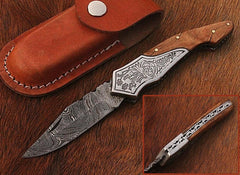
Damascen Knives is a great option for those seeking high-quality pocket knives and premium blades. The store focuses on craftsmanship and carefully selected knives, making it a good place to explore traditional designs and collectable knife styles. Buyers who value durability and design often consider Damascen knives when searching for reliable pocket knives.
Amazon
Amazon remains one of the most convenient platforms for buying pocket knives online. It offers a wide range of knife models, competitive prices, and customer reviews that help buyers compare different options before making a purchase.
BladeHQ
BladeHQ is a well-known knife retailer that carries a large selection of pocket knives from various brands. It’s especially popular among knife enthusiasts because of its detailed product descriptions, specifications, and expert recommendations.
KnifeCenter
KnifeCenter is another trusted online knife store that specializes in high-quality blades and tools. Many collectors prefer this platform because it offers a large inventory and specialises in knives and outdoor gear.
Before buying a pocket knife, it’s always a good idea to compare models, check specifications, and read user reviews. Purchasing from reputable retailers ensures you receive a quality knife that performs well and lasts for years.
Frequently Asked Questions
What is a Case pocket knife?
A Case pocket knife is a traditional folding knife known for its classic design, compact size, and practical everyday use. These knives typically feature slip-joint mechanisms and come in various blade patterns, suited for tasks such as cutting, slicing, and general utility work.
What is so special about Case knives?
Case knives are valued for their traditional craftsmanship, timeless designs, and wide variety of knife patterns. Many collectors and everyday users appreciate their durability, classic styling, and the heritage associated with traditional pocket knife making.
What are the three types of pocket knives?
The three common types of pocket knives are slip-joint, locking, and multi-blade. Each type offers different functionality, with slip-joint knives being traditional, locking knives providing added safety, and multi-blade knives offering versatility.
Are Case pocket knives good quality?
Yes, Case pocket knives are widely known for their reliable build quality and consistent performance. They are designed with durable materials and practical blade styles, making them suitable for everyday carry and light outdoor tasks.
What are the top 3 knives to own?
Some of the most popular pocket knife patterns include the Trapper, Stockman, and Peanut. These knives are favoured for their good balance of size, versatility, and functionality for everyday cutting tasks.
Do Case knives use real bones?
Some Case knives feature handles made from real bone, dyed and textured to improve grip and appearance. Bone handles are popular because they provide a classic look and develop a unique character over time.
Conclusion
Case pocket knives represent something that’s becoming increasingly rare in today’s world: tools built with tradition, craftsmanship, and purpose. Whether you’re a collector, an outdoorsman, or simply someone who appreciates a well-made pocket knife, Case offers a wide variety of patterns and designs that have stood the test of time. By understanding the different types of Case knives, their patterns, and how to choose the right one, you can confidently find a knife that fits your needs and maybe even becomes a piece you pass down to the next generation.















Comments